



A guest requests a quiet room before arrival. When they reach reception, the team already knows. Their room has been selected thoughtfully, and there is no need to explain the request again.It is a small moment, but it expresses something essential about luxury hospitality: the feeling of being understood.
Beautiful interiors, exceptional dining, and a distinctive location help shape a property’s appeal. Delivering on that promise requires care at every interaction, including those that happen long before a guest walks through the door.For hotel owners and hospitality teams, the challenge is making that care consistent. How can an attentive first impression carry through reservations, arrival, the stay itself, and departure?
The answer begins with looking at the whole guest journey,and giving teams the information, responsibility, and support to manage it well.
The Experience Begins With the First Enquiry
Before experiencing a property in person, a prospective guest experiences its communication.
An enquiry about a suite, a private transfer, or a special occasion is an opportunity to establish confidence. The response should help the guest understand what is possible and feel comfortable taking the next step.
Speed matters, but so do clarity and relevance. A quick reply that leaves the main question unanswered still creates work for the guest.
A thoughtful response addresses the specific request, explains any conditions, and makes the next step clear. If a guest asks about celebrating an anniversary, for example, the reply could explain suitable accommodation options, available dining arrangements, and which details the team needs to organise the occasion.
The same care applies to setting expectations. Requests awaiting confirmation should be clearly distinguished from arrangements that are already booked.
A strong first impression rests on promises the property can keep. For a closer look at organising this stage, read our guide to managing hotel enquiries and proposals efficiently.
Make Pre-Arrival Planning Feel Effortless
Once a reservation is confirmed, the focus shifts to helping the guest prepare for their stay.
Pre-arrival communication should remove uncertainty without creating a lengthy administrative exercise. Directions, arrival arrangements, and relevant booking details should be easy to find. Questions should have a clear purpose.
Knowing an estimated arrival time can help coordinate a welcome. Asking whether assistance with transport is needed can prevent last-minute confusion. Offering help with dining reservations gives guests an opportunity to plan ahead.
Additional services should be presented with the same care: relevant to the stay, clearly priced, and easy to understand. Our article on hotel ancillary revenue for seasonal hotels explores opportunities such as transfers, dining, upgrades, and experiences.
Personalisation also requires restraint. Some guests enjoy discussing every detail; others prefer minimal contact. An attentive approach leaves room for both.
Most importantly, information collected before arrival needs to reach the people responsible for acting on it. A preference sitting in an unread inbox cannot improve the stay.
Every confirmed arrangement should have a clear owner and be accessible to the relevant team.
Treat Arrival as a Continuation of the Conversation
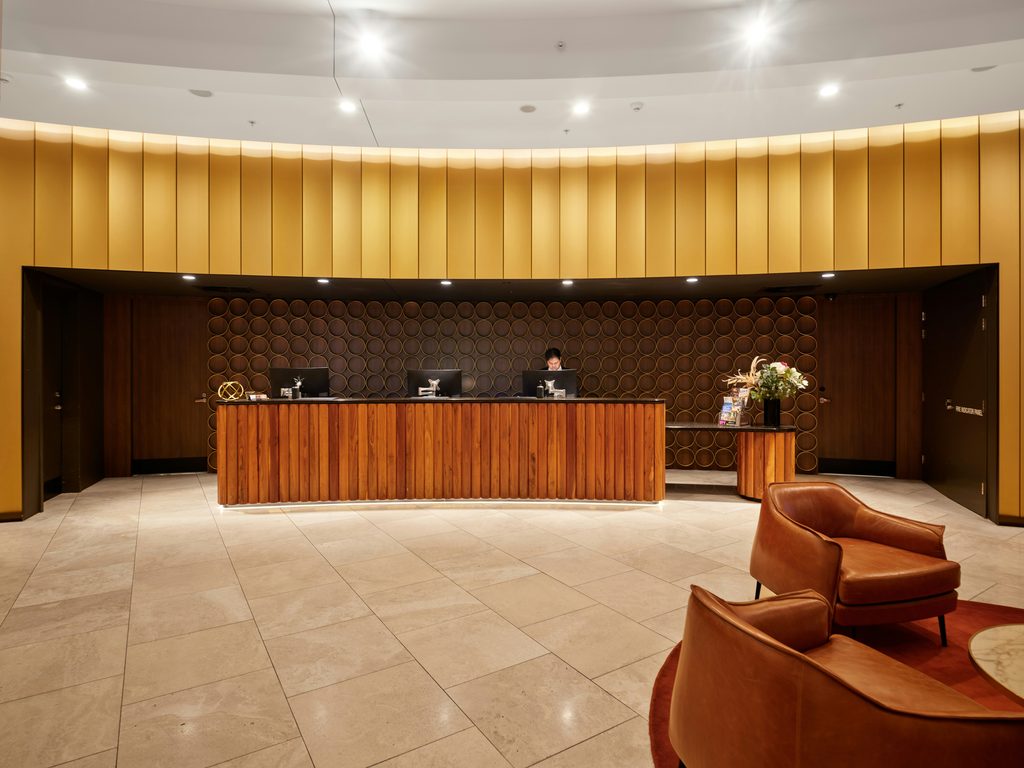
Arrival is the point where earlier communication becomes a tangible experience.
Imagine a guest who has already shared their arrival time, arranged a transfer, and requested a particular room setup. If reception has no record of those details, the guest must begin the conversation again.
Even a warm welcome can feel less considered when it reveals a gap behind the scenes.
A well-prepared arrival connects reservations, reception, housekeeping, and any other team involved in the welcome. Staff should understand what has been confirmed, what remains outstanding, and what may require attention.
Preparation also helps when plans change. If a guest arrives before their room is ready, the team can explain the situation clearly, offer suitable options, and take responsibility for the next update.
Luxury service leaves space for circumstances that cannot be perfectly controlled. What matters is how confidently and thoughtfully the team responds.
Give Every Guest Request a Clear Owner
During a stay, service quality often depends on what happens after a request is received.
A guest asks for additional towels before leaving for dinner. Reception acknowledges the request, but the message is passed verbally during a busy shift. Later, nobody is certain whether it was completed.
The missing connection between acknowledgement and action creates an avoidable service gap.
A dependable process should make four things clear:
- What the guest requested.
- Who is responsible for fulfilling it.
- When it is needed.
- Whether it has been completed.
The guest should not have to understand the hotel’s internal structure or contact several departments to get an answer. Whoever receives the request should be able to direct it appropriately and help ensure it reaches a conclusion.
Where appropriate, a brief confirmation lets the guest know that the arrangement is in place. These practical habits give attentive service a reliable foundation.
Personalise With Discretion
Personalisation is most useful when it makes a stay more comfortable.
That might mean respecting a preferred housekeeping time, following through on a room-location request, or asking whether a previously mentioned preference still applies.
The guiding questions are simple:
Is this information relevant?
Has the guest chosen to share it?
Will using it be helpful and welcome?
Discretion should shape both communication and internal access. Teams need enough information to carry out their responsibilities thoughtfully, while avoiding unnecessary circulation of personal details.
Preferences should also remain flexible. A guest travelling with family may want a different experience from the one they preferred during a business trip. Attentiveness includes knowing when to ask again.
Use Technology to Support Human Attention
Technology has a useful role wherever it helps teams maintain continuity.
Shared request records, accessible reservation details, and clear task tracking can help staff understand what has already happened and what needs to happen next. Automated confirmations can provide straightforward information, while more nuanced conversations remain with the team.
The practical test is whether a system makes service easier to deliver.
- Can staff find a confirmed arrangement quickly?
- Can a request move between departments without losing context?
- Can the next shift see unresolved issues? Can a guest reach a person when a conversation requires judgement or reassurance?
For the enquiry and proposal stage, ETHERIA by Travel2Fit helps hotels organise enquiries and create personalised digital proposals that bring accommodation options and relevant services together. This provides a practical starting point for presenting a considered offer before the guest books.
Across the wider stay, each property still needs clear processes for reception, housekeeping, service requests, and follow-up.
A property should also be realistic about the communication channels it offers. Every messaging channel creates an expectation that someone is listening. Choose channels the team can monitor reliably and make response expectations clear.
Make Service Recovery Personal and Decisive
Even a carefully managed property will encounter delays, misunderstandings, and unmet expectations.
When something goes wrong, the guest needs to know that someone understands the issue and is taking responsibility!
A thoughtful response begins with listening, acknowledging the inconvenience, and explaining what can happen next. Staff should check what they can deliver before making a promise.
Ownership should continue through the resolution. If another department must act, the handover should preserve the context so the guest does not have to repeat the full story.
Afterwards, a brief check-in can establish whether the solution addressed the concern.
Reviewing recurring issues also gives management a practical way to improve operations. Repeated confusion around room readiness or dining reservations may indicate a process that needs attention.
Carry the Same Care Through Checkout
The final interaction deserves the same preparation as the welcome.An accurate bill, clear departure arrangements, and a team aware of any unresolved concerns can help the guest leave without unnecessary friction.
Where possible, questions should be addressed before a guest is standing at reception with transport waiting outside. If an issue requires later follow-up, responsibility and timing should be clear.A warm farewell should feel natural and appropriate to the guest. The goal is to finish the stay with the same sense of consideration that shaped its beginning.
The portfolio review
Distinct properties.
A connected team.
Open each question, review it with your team, and mark it when discussed.
01 Does every enquiry have a clear owner?
Choose one recent enquiry. Can your central team and the property team identify who is replying, what happens next, and who provides cover when that colleague is away?
02 Does each proposal reflect the right property?
Compare proposals from two hotels. Do the photographs, room descriptions, services and booking conditions accurately represent each property while following a consistent structure?
03 Are alternative properties a good fit for the guest?
Review a request where the first-choice hotel was unavailable. Was the alternative suitable for the guest’s priorities? Were availability, differences and follow-up ownership clear?
04 Do confirmed arrangements reach the property team?
Follow one confirmed booking from proposal to arrival. Can the team delivering the stay distinguish confirmed services from preferences and requests still awaiting approval?
05 Are performance measures comparable across hotels?
Check how two properties define response times, conversion and open enquiries. Are the definitions consistent, and does your review account for differences in enquiry type and staffing?
Build Consistency Into Everyday Operations
A useful starting point for improving the luxury guest experience is to trace a single request through the property.
Consider a guest arranging an anniversary dinner before arrival. Who receives the enquiry? Who confirms availability? Where are the details recorded? How does the restaurant team receive them? Who informs the guest if something changes?
Any point where ownership becomes unclear is an opportunity to improve.
For a broader framework, EHL’s guide to mapping the hotel guest journey explores the stages from initial inspiration through the stay and post-departure experience. Use it to map your own guest interactions, then identify where information, responsibility, or follow-through needs attention.
Luxury hospitality is sustained through these everyday connections: a promise recorded accurately, a handover completed carefully, a request followed through, and a colleague prepared for the next interaction.